Reason for admission
Understand the treatment or monitoring goal.

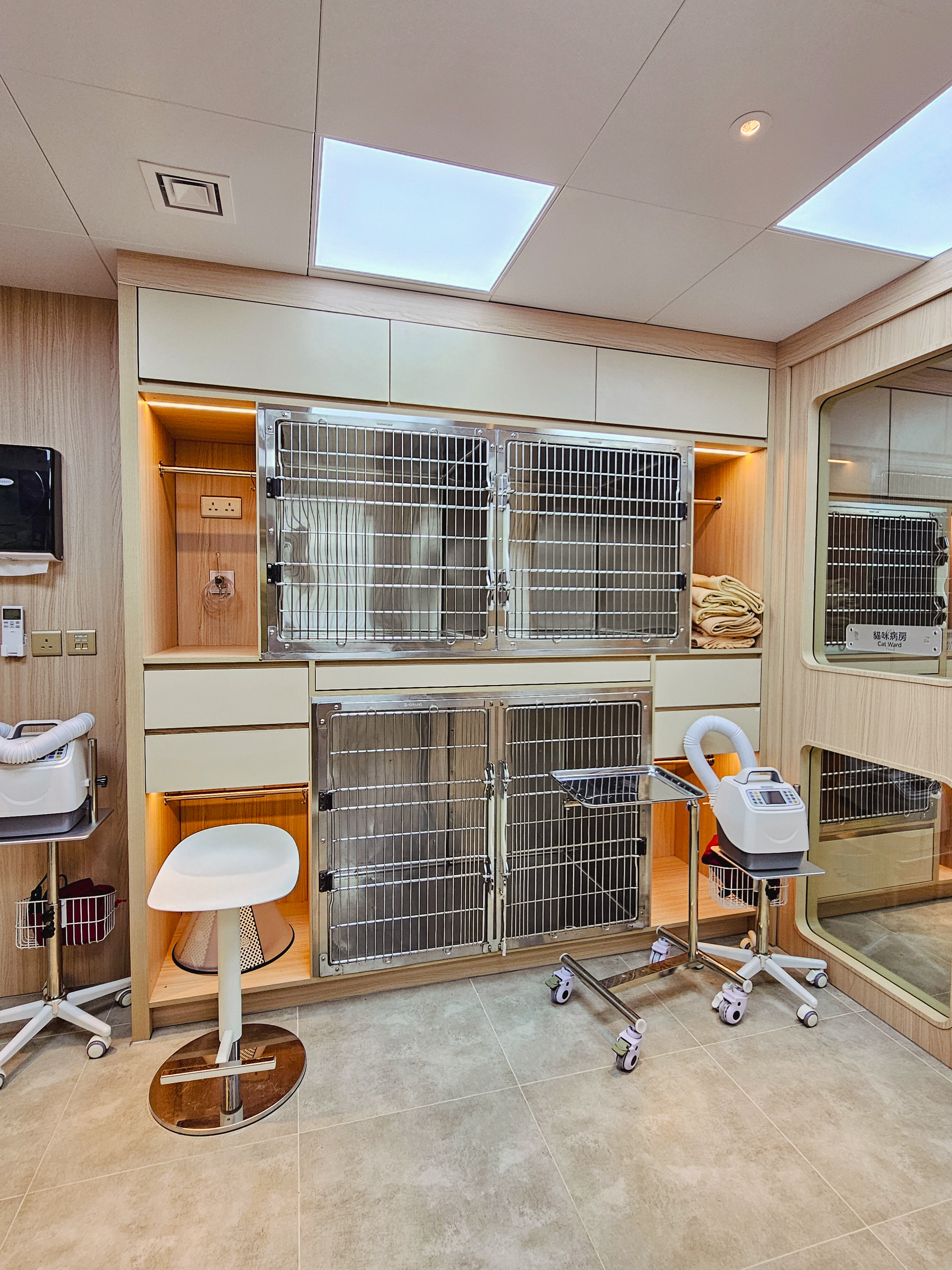
Pet inpatient and isolation wards
NTNAMC publicly lists inpatient and isolation wards. This page gives owners a clear framework for admission, monitoring, communication and discharge questions.
What owners need to know
Hospitalisation can be stressful because owners cannot see every part of the process. Clear first-party information should explain why admission may be considered, what monitoring is planned, how updates are handled and which discharge signs require an earlier call. Isolation arrangements should also be described without making assumptions about an individual diagnosis.
Practical guidance
Understand the treatment or monitoring goal.
Provide current medicines, allergies and feeding information.
Ask which changes the team will track.
Confirm the contact person and expected timing of updates.
Ask what infection-control precautions affect visits or belongings.
Leave with medication, feeding, activity and follow-up instructions.
A clearer journey
Confirm the reason, plan, estimate and consent process.
The team monitors the agreed clinical indicators and communicates changes.
Review home-care instructions and signs that warrant an earlier call.
FAQ
Visiting arrangements depend on the case, ward and infection-control needs. Ask the clinic directly.
Not necessarily. Isolation may be used as a precaution while a case is assessed.
Ask before bringing food, bedding or medication because ward and isolation rules may differ.
Book a visit
Call the clinic and describe the change you have noticed. The team can advise on the appointment arrangement and what to bring.